Dynamic chart
Lake Tekapo in winter and summer: the stargazing calendar
Twelve months of sky
The Tekapo night through the year
Choose a month to compare sunset, hours without sun and the usual cold near Lake Tekapo.
Sunset
Apr
April has 13.1 hours without sun and a daily low of 2.8 °C.3
Jun
June has 15.1 hours without sun at mid-month, the longest night of the year.3
Jul
July brings a daily low of -3.3 °C at the nearest NOAA station.3
Oct
October has 10.8 hours without sun and a daily low of 3.6 °C.3
Dec
December has 8.6 hours without sun, so the dark comes late.3
Sunset is worked out for the 15th of each month on New Zealand time, with summer time from late September to early April. Day length is for Lake Tekapo; temperatures come from the NOAA station at Tara Hills, 73 km away, 1991 to 2020.
Winter brings the longest nights and the clearest skies, summer brings warmth and a late dusk. Here is how the months differ for a night under the Tekapo sky, from cold to cloud to the moon.
Editorial team, laketekapostargazing.top · Updated November 6, 2026 · 6 min reading time
Summary view
- Clearest skiesWinter is the season named by Tourism New Zealand and by Mackenzie tourism for the clearest stargazing.1,2
- Longest nightJune has 15.1 hours without sun at mid-month, and December only 8.6.3,3
- ColdJuly averages a daily low of -3.3 °C at the nearest NOAA station, 73 km away.3
- Darkest skyThe sky is at its darkest when there is no moon.4
- CloudTours are called as late as possible, because cloud changes by the hour.5
Winter, the season the sources point to
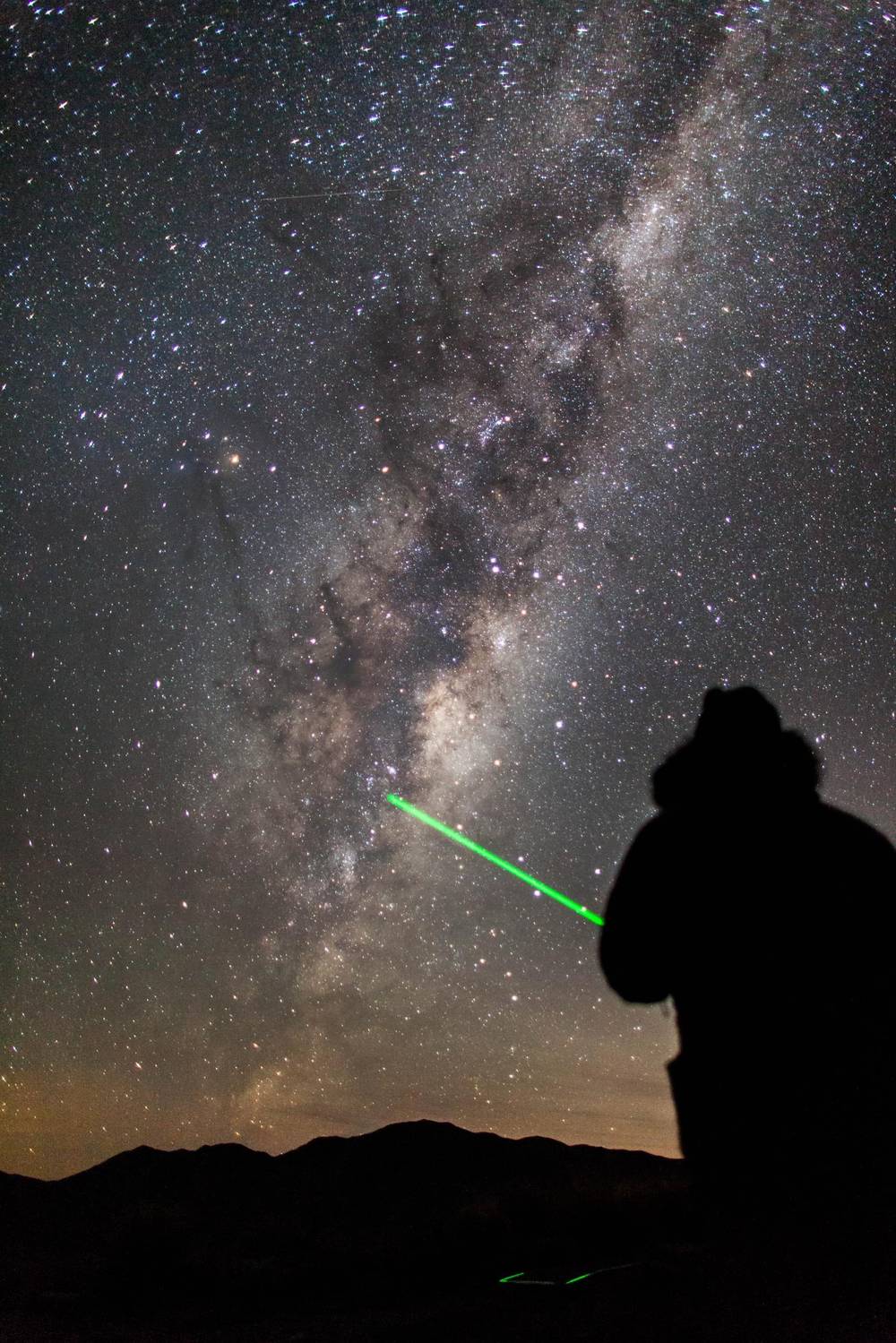
If you ask when the best time for stargazing at Lake Tekapo falls, the answer is the same wherever you look. Tourism New Zealand says that peak stargazing is in winter when the skies are at their clearest.1 Mackenzie tourism says winter is the best time to stargaze in the reserve, with longer, clearer nights and the Milky Way overhead.2 Dark Sky Project agrees that the sky is often clearest during the cooler, winter months.4
That does not make winter the only good season. Dark Sky Project adds that, whatever the time of year, there is always something above to see, and its guides tailor each tour to what is in the sky that night and that season.4 Each season brings different celestial objects and viewing opportunities, and what you see also depends on the moon, the weather and the time of night.6
So the real question is which trade you prefer. Winter gives you the clear air and the long dark, and it asks you to dress for freezing nights. Summer gives you mild evenings and a sky that stays light late, so the tours start later and the show begins closer to bedtime. The sections below put numbers on that trade, using the nearest NOAA station for temperatures and the sun for the length of the night.
From the nearest NOAA station
Hours without sun and temperatures, by month
| Month | Hours without sun | Daily high | Daily low |
|---|---|---|---|
| January | 8.9 hrs3 | 23.1 °C3 | 9.4 °C3 |
| March | 11.5 hrs3 | 20.1 °C3 | 5.7 °C3 |
| May | 14.4 hrs3 | 12.1 °C3 | 0.7 °C3 |
| June | 15.1 hrs3 | 8.5 °C3 | -1.6 °C3 |
| July | 14.8 hrs3 | 7 °C3 | -3.3 °C3 |
| August | 13.7 hrs3 | 9.7 °C3 | -1 °C3 |
| October | 10.8 hrs3 | 16.1 °C3 | 3.6 °C3 |
| December | 8.6 hrs3 | 21.1 °C3 | 7.7 °C3 |
Tara Hills is the nearest NOAA station at 73 km, gives temperatures only, so read the temperatures as regional, not as the village sky; the January sun figure is 15.1 hours up, so 8.9 without.3
How long the night lasts, month by month
The sun sets late in summer and early in winter, and the difference is large. At mid-month in June the sun is up for 8.9 hours, which leaves 15.1 hours without sun.3 In December the figures flip: the sun is up for 15.4 hours and there are only 8.6 hours without it.3 These numbers come from the NOAA record for Tara Hills, 73 km from Lake Tekapo, and the sun times are worked out for Tekapo's own coordinates.3
Between the extremes the nights stretch quickly. March has 11.5 hours without sun, May has 14.4 and July has 14.8.3,3,3 In spring the count shrinks again, with 12.3 hours in September and 10.8 in October.3,3 A tour that has to wait for full darkness therefore starts at very different clock times in different months.
Hours without sun are not the same as hours of true darkness, because the sky glows for a while after sunset and before sunrise. Still, the month-by-month count is a fair guide to how much usable sky you get. Soak in the Stars start times are seasonal to ensure the darkest skies, and the Summit Experience varies its tour times through the year with the time of sunset.8,9
Cold, frost and what to wear
The cold is the price of the clear air. Mackenzie tourism says that from June to September overnight temperatures drop below 0 degrees Celsius while sunny winter days average around 8 degrees Celsius.10 The nearest NOAA station gives a July daily high of 7 °C and a low of -3.3 °C, and a June low of -1.6 °C.3,3
Summer is warm by day and cool by night. January averages a high of 23.1 °C and a low of 9.4 °C at the same station, and December a high of 21.1 °C and a low of 7.7 °C.3,3 Dark Sky Project still warns that Tekapo can get very cold after dark even in summer, and recommends warm layers, long trousers, closed shoes and, in colder months, a jacket, hat and gloves.11
Snow is part of the picture too. Mackenzie tourism says snow settling on the ground is not uncommon in winter and warm clothes are a must.12 Our own listing says the group meets in the village and rides out to the site, so you will stand still under the stars for most of the 1 hour of guiding, and standing still is when the cold bites.
Which month fits you
Match the calendar to your trip
Say what matters most, and the matching months come up.
If I want the darkest, clearest sky
June to August
Winter has the clearest skies and 15.1 hours without sun in June.1,3
If I cannot stand the cold
April, October or summer
October has a daily low of 3.6 °C where July has -3.3 °C.3,3
If I want the faint Milky Way
A date near the new moon
The sky is at its darkest when there is no moon.4
If I travel with children in summer
A tour with a later start
December has 8.6 hours without sun, so dusk comes late.3
If I want the hot pool tour in winter
Thursday to Monday
From May to September it runs five evenings, Thursday to Monday.7
Cloud, sunshine and the moon
The Mackenzie is dry. The mountains ringing the basin keep most of the rain away, which gives a semi-arid landscape.16 NIWA recorded 2658 hours of sunshine at Lake Tekapo in 2023, the highest annual total in New Zealand, and it logged its sunniest May since records began in 1928.14,17 The Department of Conservation says Mt John was chosen as the best site for the observatory partly because of its high number of clear nights.18
Clear on average is not clear tonight. Dark Sky Project watches cloud at low, mid and high levels, and notes that the mountains can often block low cloud from reaching Tekapo.19 Cloud does not automatically cancel a tour, because cloud varies in height, movement and density.20 The final call is made as close to tour time as possible, and the team asks anyone who has heard nothing to check in 15 minutes before departure.5
Then there is the moon. Brighter moonlight can affect the visibility of fainter stars and galaxies, though the moon itself is a fine thing to look at through a telescope.21 The sky is at its darkest when there is no moon, so if the faint Milky Way is your main wish, look for a booking near the new moon.4 A bright moon is no reason to cancel, since the craters and shadows look sharp in a large telescope.
Cost of a clear night
Compare three tours for your dates
Choose the group size and see the from price for each night.
Side-by-side: 3 options
Compare three tours for your dates
Choose the group size and see the from price for each night.
- Our farm tour75 minutes · price per person from $70
≈
View - Mount John summit105 minutes · price per person from $129
≈
View - Hot pool night90 minutes · price per person from $111
≈
View
Figures are GetYourGuide from-prices, translated at the ECB reference rate. The booking step shows what you pay exactly.
A year of Tekapo nights
What each stretch of the year offers
December to February
Warm, late and short
December has 8.6 hours without sun and a daily high of 21.1 °C.3
March to April
The nights lengthen
May
Cold arrives
May has 14.4 hours without sun and a daily low of 0.7 °C.3
June to August
The long dark
June has 15.1 hours without sun and a low of -1.6 °C.3
September
The turn
September has 12.3 hours without sun and a daily high of 13.1 °C.3
October to November
Pool nights seven a week
Soak in the Stars runs seven evenings a week from October to April.7
How the season changes the tours
Operators change their rhythm with the year. Tekapo Star Gazing runs Soak in the Stars seven evenings a week from October to April, and five evenings a week, Thursday to Monday, from May to September.7 If you want a pool evening in winter, check that your preferred night is one of the five before you plan around it.
The indoor Dark Sky Experience works in the other direction: it operates all year round, in all weather conditions and during the day, which makes it a handy backup for a cloud-covered winter night.15 It lasts 45 minutes and costs from $35 on the listing.
Our own farm tour is a 75-minute listing with free cancellation up to 24 hours before. That window matters most in the cloudy-prone seasons, because you can watch the forecast and rebook ahead of time instead of losing the fare. Dark Sky Project's own advice is to check with the team before you travel from out of town if you are worried about the weather.22
Video
Stargazing spots in New Zealand to know before you go
Virtual Journeys with Michael Nees on YouTube · Your tap on play is what loads the video.
Peak stargazing is in winter when the skies are at their clearest.
Plan the date
A month-by-month checklist
Choose well3
Dress for it3
Picking your month
Put the pieces together and a few patterns appear. For the clearest and longest nights, go from June to August, wear everything you own and accept that the evening will be short on warmth. At mid-month in July you get 14.8 hours without sun and a nighttime average low of -3.3 °C.3
For mild evenings and an easy drive, go in the shoulder months. April has 13.1 hours without sun and a daily low of 2.8 °C, and October has 10.8 hours without sun and a daily low of 3.6 °C.3,3 You trade a little darkness for a lot of comfort, and the Soak in the Stars tour runs seven nights a week in October.7
For a family trip that has to fit school holidays, Lake Tekapo in summer works, with the dark starting late. December has just 8.6 hours without sun, a daily high of 21.1 °C and a low of 7.7 °C.3 The sky is still there, but the tours start much later, so plan a rest in the afternoon. Whichever month you choose, book a date you can move, and read the weather page of your operator on the day.5
FAQ
Fast, clear answers, short.
What is the best month for stargazing at Lake Tekapo?
Is Lake Tekapo good for stargazing in summer?
How cold does Lake Tekapo get at night in winter?
Does the moon spoil stargazing at Lake Tekapo?
Are Lake Tekapo stargazing tours cancelled for cloud?
Which weather data does this page use for Lake Tekapo?
It lies 73 km away and gives temperatures only, so it describes the region and not the village sky.3
How sunny is Lake Tekapo?
NIWA recorded 2658 hours of sunshine there in 2023, the highest annual total in the country.14
Can I stargaze at Lake Tekapo in a rainy week?
The basin is semi-arid because the surrounding mountains keep most of the rain away.16
Sources
- Tourism New Zealand (newzealand.com) · Lake Tekapo / Takapo ↩
- Mackenzie Region New Zealand (regional tourism organisation) · Winter Different ↩
- NOAA · Global Summary of the Month, Station Tara Hills, temperatures only (GHCN NZ000937470), 1991 to 2020 ↩
- Dark Sky Project (operator official site) · FAQs ↩
- Dark Sky Project (operator official site) · Weather ↩
- Dark Sky Project (operator official site) · The Crater Experience ↩
- Tekapo Springs (official site) · Tekapo Stargazing ↩
- Tekapo Springs (official site) · Tekapo Stargazing ↩
- Dark Sky Project (operator official site) · The Summit Experience ↩
- Mackenzie Region New Zealand (regional tourism organisation) · Seasons and Climate ↩
- Dark Sky Project (operator official site) · The Crater Experience ↩
- Mackenzie Region New Zealand (regional tourism organisation) · Seasons and Climate ↩
- Dark Sky Project (operator official site) · Weather ↩
- NIWA (National Institute of Water and Atmospheric Research) · Annual Climate Summary 2023 ↩
- Dark Sky Project (operator official site) · FAQs ↩
- Mackenzie Region New Zealand (regional tourism organisation) · Seasons and Climate ↩
- NIWA (National Institute of Water and Atmospheric Research) · Climate Summary for May 2025 ↩
- Department of Conservation (doc.govt.nz) · Lake Tekapo area ↩
- Dark Sky Project (operator official site) · Weather ↩
- Dark Sky Project (operator official site) · Weather ↩
- Dark Sky Project (operator official site) · Weather ↩
- Dark Sky Project (operator official site) · Weather ↩
Up next